Boulevardier
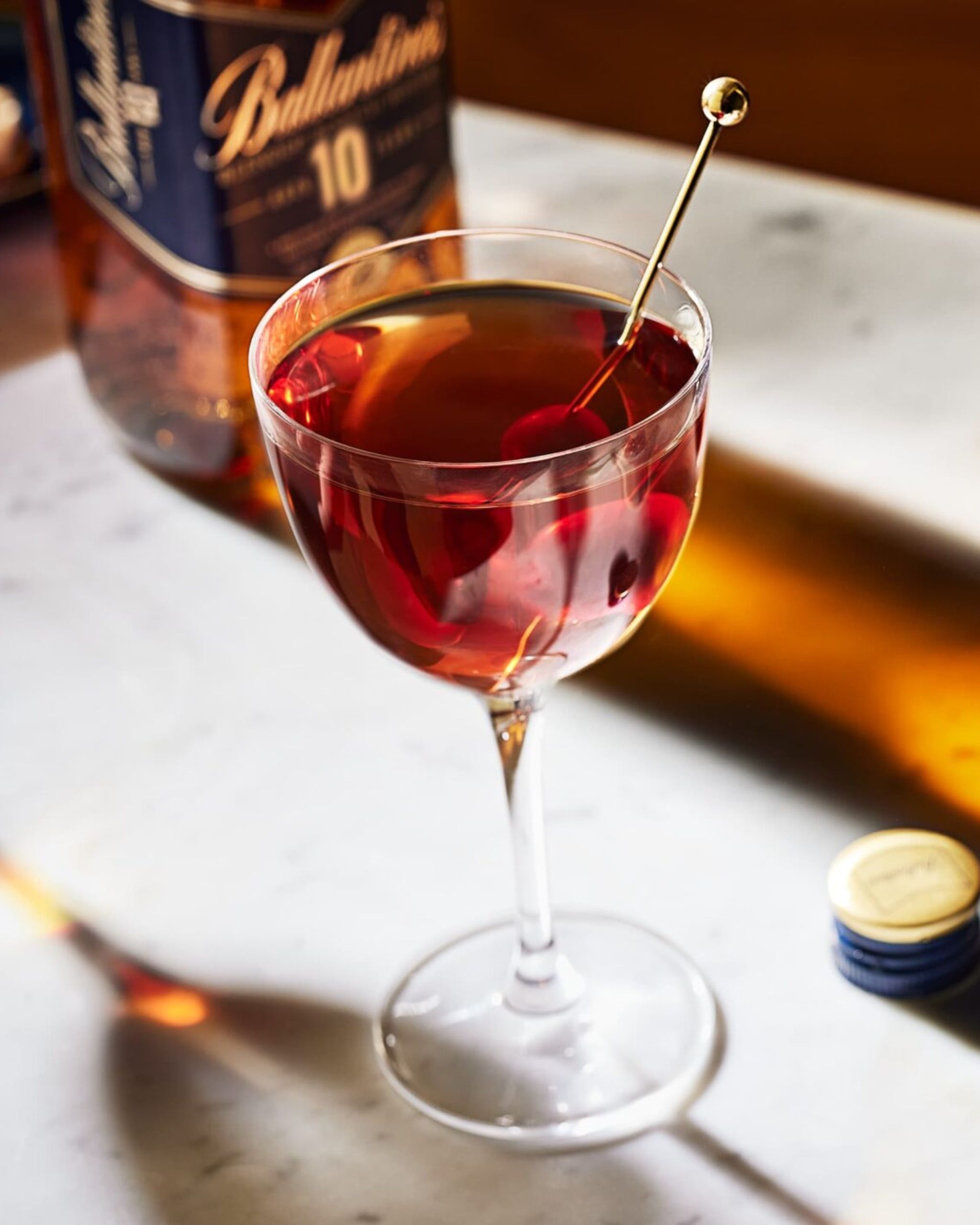
A Negroni with Scotch? It’s the remix you didn’t know you needed. Swap out the gin, keep the vermouth and add whisky. We recommend making this with Ballantine’s 10 Year Old to make it a beautifully balanced Boulevardier. Sip it slowly to savour all the flavours.
Ingredients
Serve:
Unit
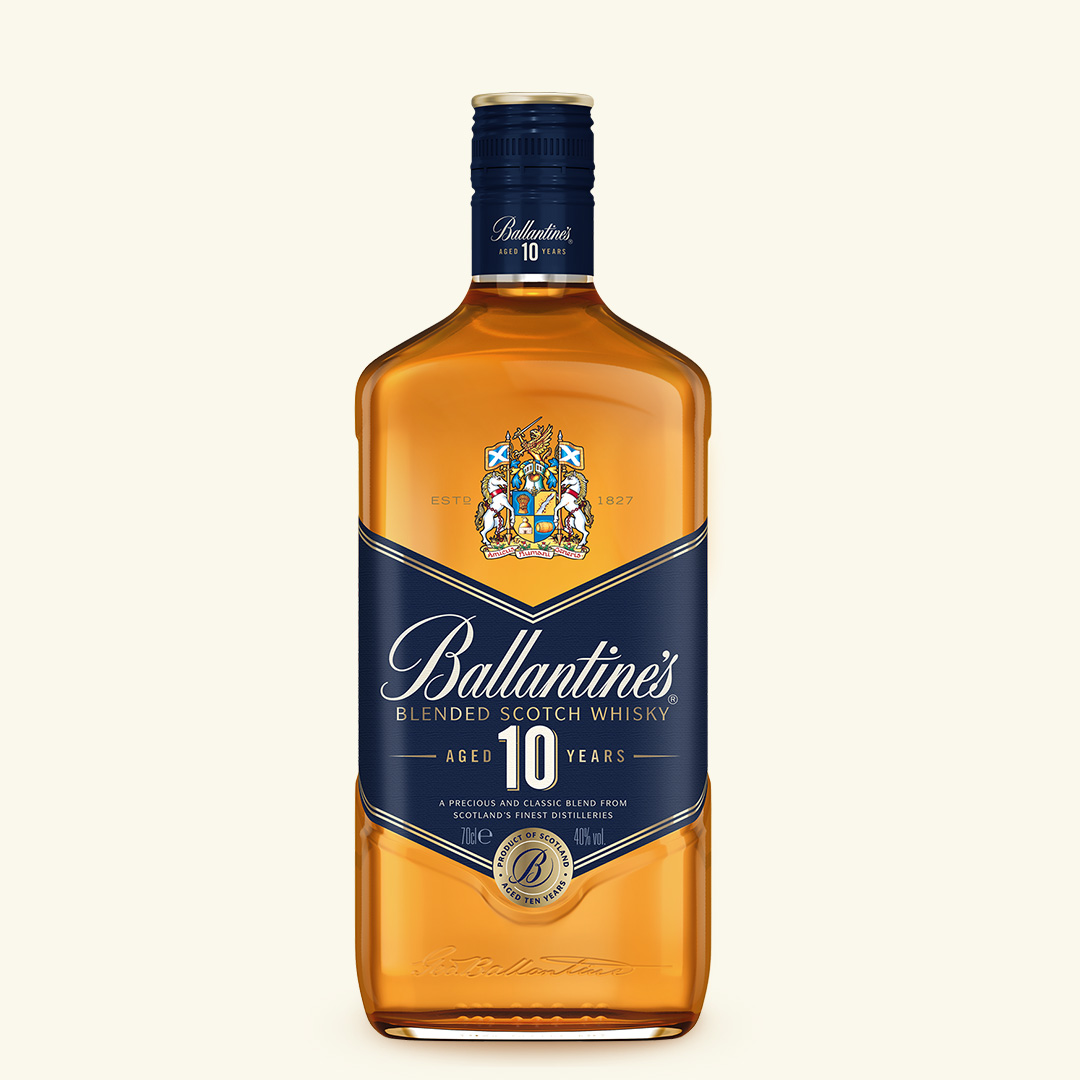
40 ml Ballantine’s 10 Year Old
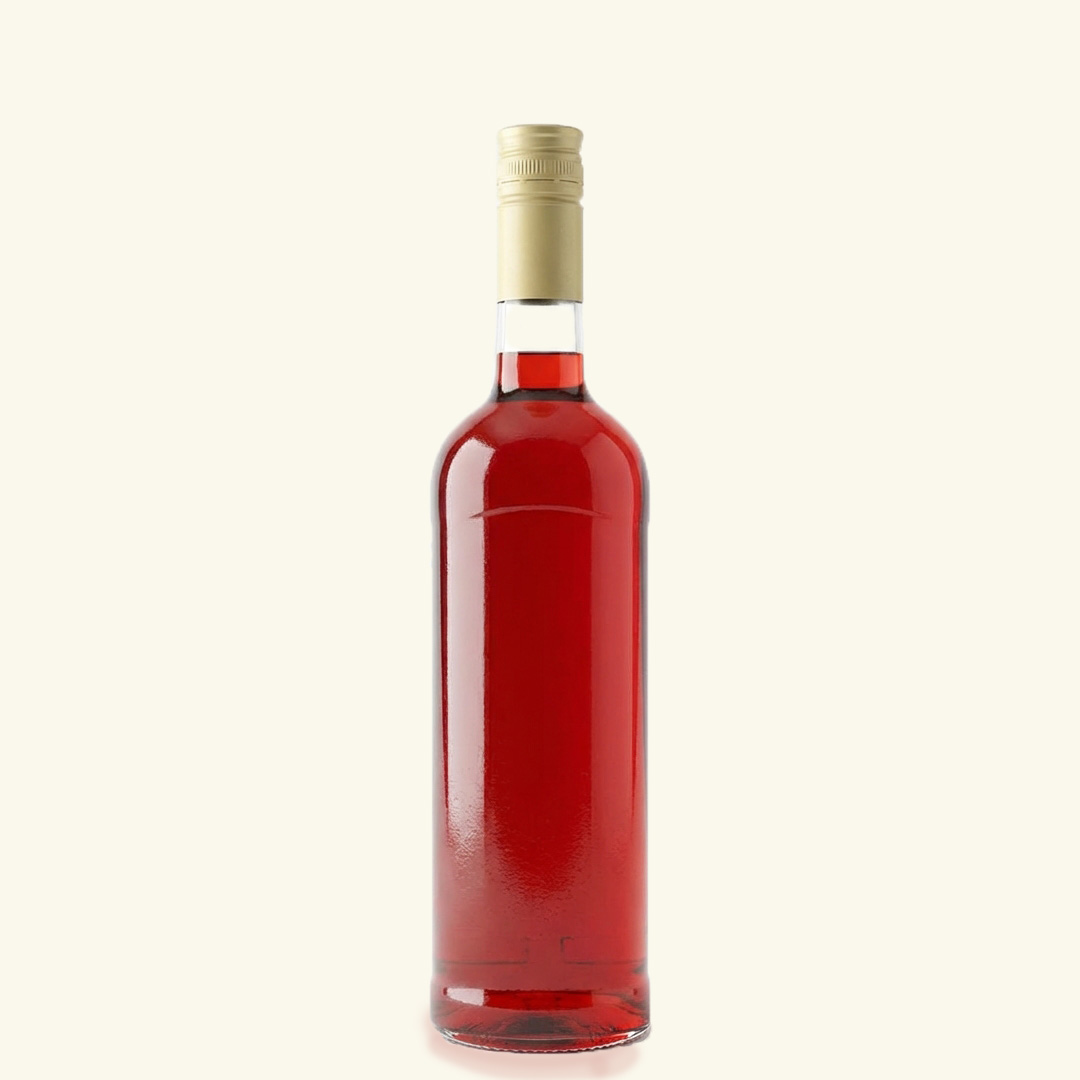
20 ml Campari
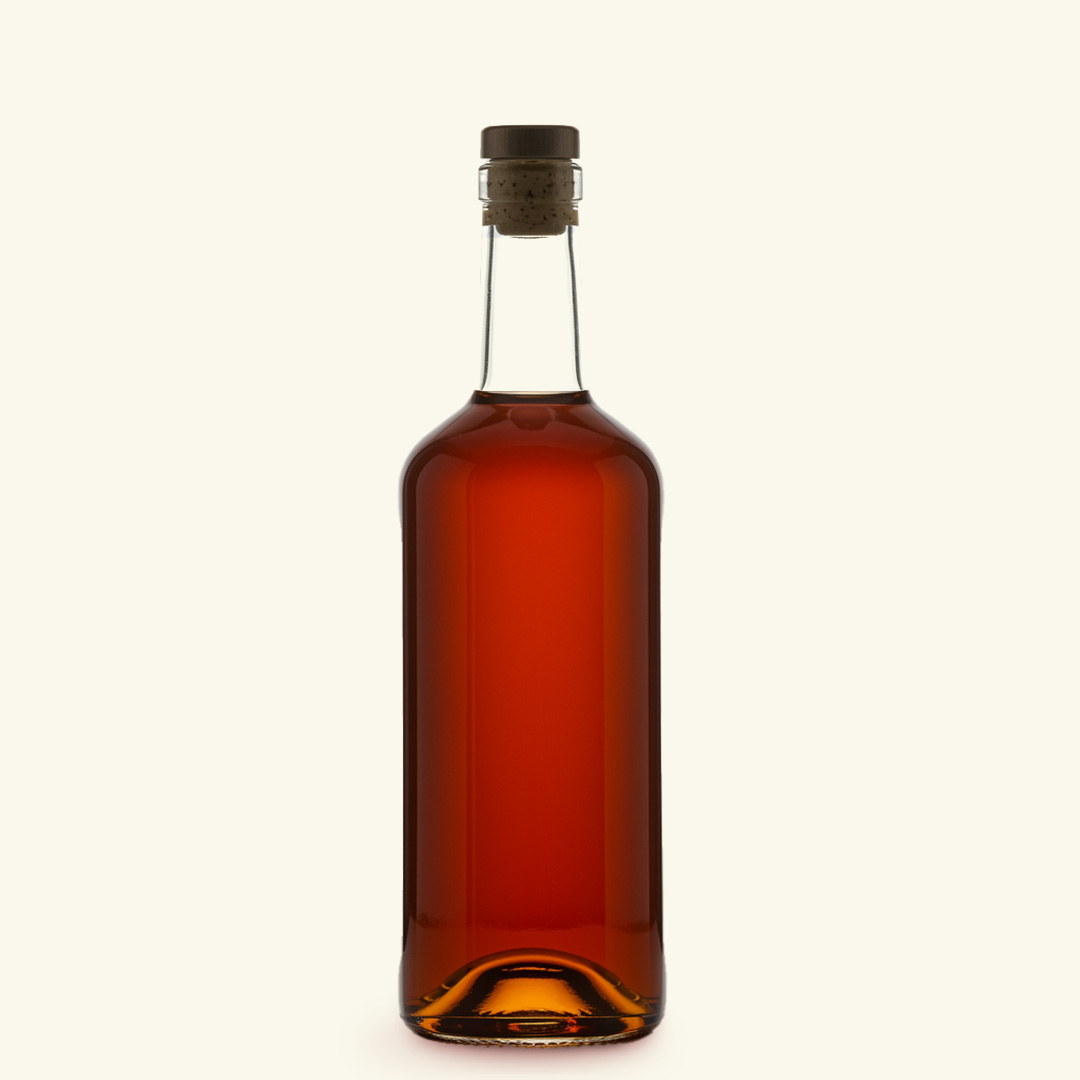
20 ml Sweet Vermouth
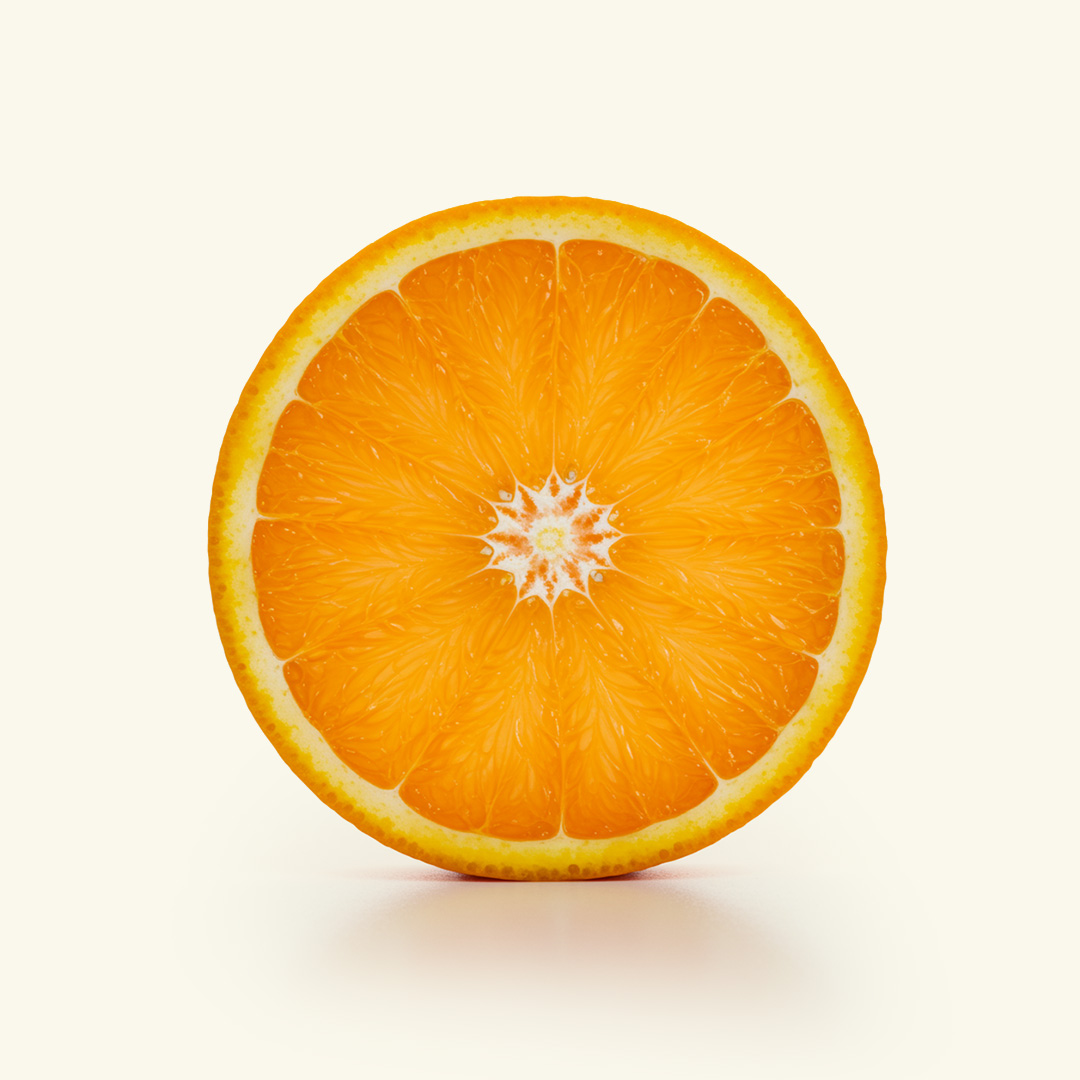
ml Orange peel, to garnish
Equipment
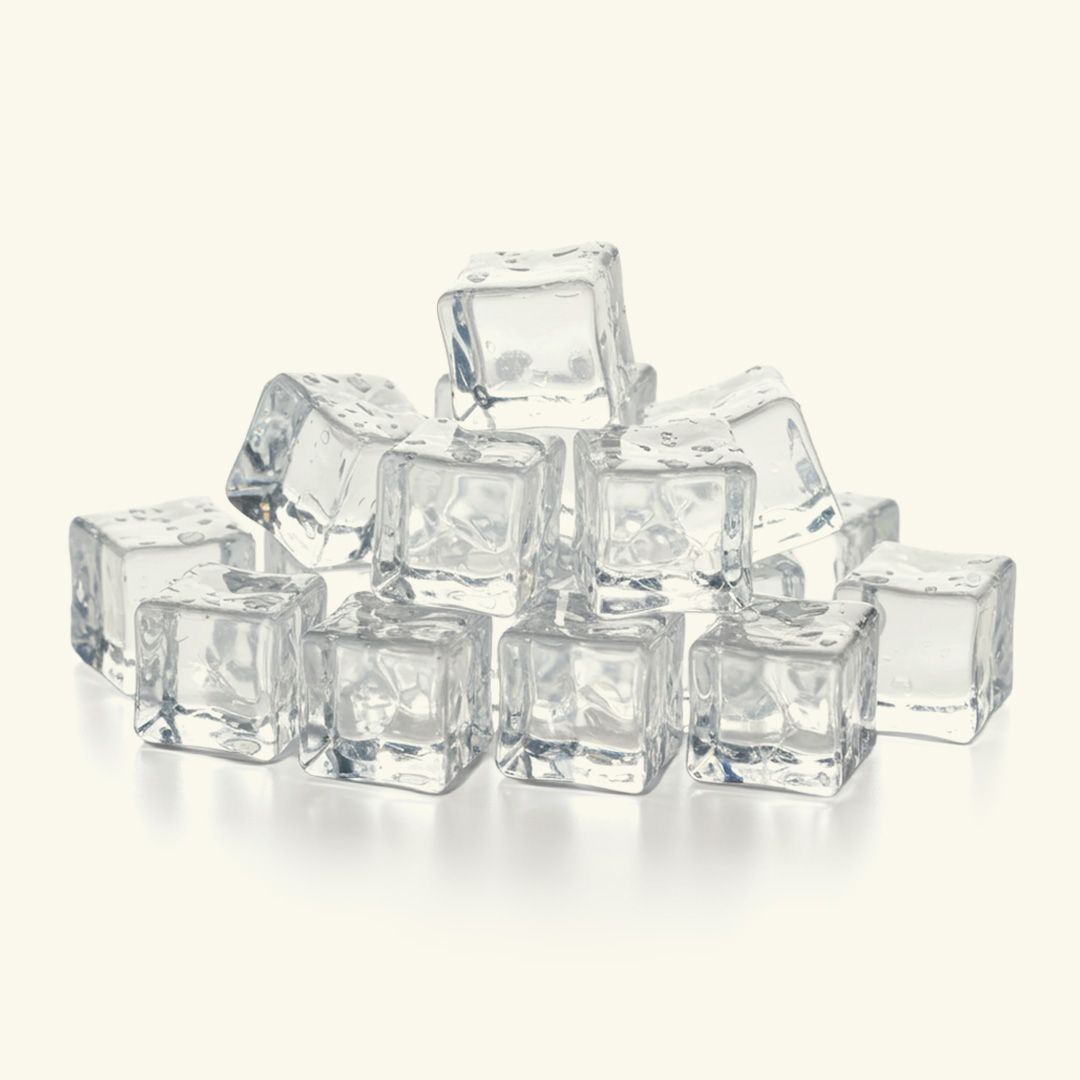
Ice cubes
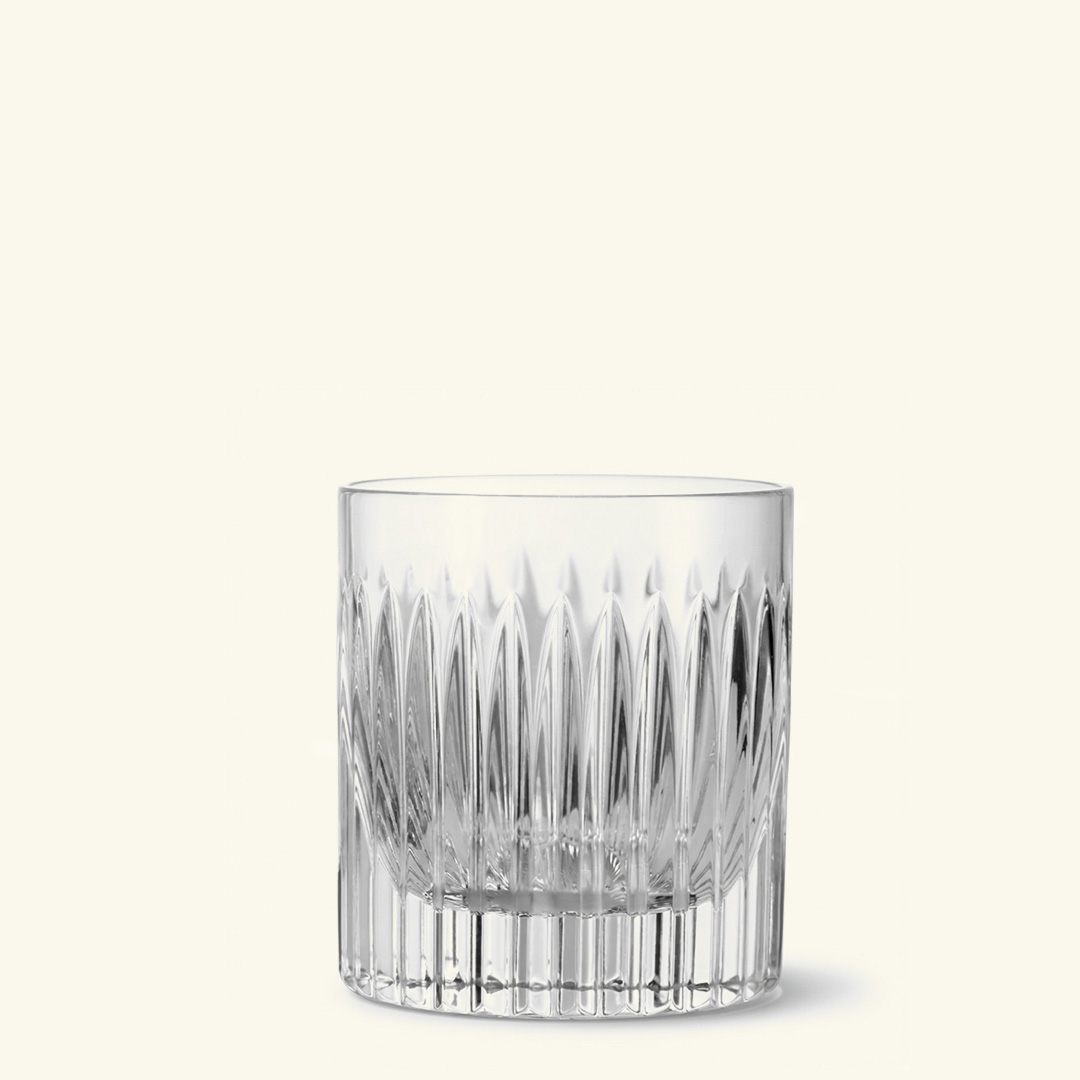
Rocks glass
Method
Fill a rocks glass with cubed ice and add all your ingredients
Stir gently
Garnish with an orange peel
Boulevardier: A cocktail history lesson
American in Paris cocktail edition; the Boulevardier first entered the cocktail scene in the French capital circa 1927. But it was a writer from the States who gave it a name. Socialite, publisher and regular at the renowned Harry’s Bar, Erskine Gwynne dubbed his signature drink after his magazine for expats during the Prohibition era. Loosely translating to man-about-town, you could say he subconsciously named the Boulevardier after himself.
Is a Boulevardier the same as Negroni?
Choosing the best whisky for a Boulevardier
A traditional Boulevardier recipe calls for American whiskey rather than scotch, but there are no rules when it comes to picking the best one for you – if you like it, it works! Depending on your preference, you could use rye, bourbon or blended whisky to create a sweeter or spicier drink. Here at Ballantine’s we use our smooth, sweet 10 Year Old scotch to balance Campari’s bitter edge and enhance the complex flavours of the original classic. It’s a real crowd-pleaser.